Are you trying to decide between the energy of in-town Winston-Salem and the extra space that often comes with suburban living? It is a common question, especially when both options can fit a similar budget on paper but feel very different in daily life. If you are weighing convenience, home style, commute patterns, and access to parks, this guide will help you compare what each setting really offers in Winston-Salem and Forsyth County. Let’s dive in.
What In-Town and Suburban Mean Here
In Winston-Salem, “in-town” usually points to the denser city setting, especially areas connected to the downtown core and nearby neighborhoods. The city reports about 1,880.8 people per square mile across 132.68 square miles, while Forsyth County reports about 938.1 people per square mile across 407.85 square miles. That difference in density helps explain why in-town living often feels more connected and active, even when the actual distance between places is not dramatic.
The city’s planning documents also show a clear distinction between downtown and suburban study areas. The 2023 Downtown Winston-Salem Plan covers districts such as the Arts District, Fourth Street, Industry Hill, and Innovation Quarter, while city planning pages separately identify North, Northeast, South, Southeast, Southwest, and West Suburban areas. In practical terms, that means your choice is often less about city limits alone and more about the kind of daily routine you want.
Density Shapes Daily Life
A denser area usually means more homes, businesses, and destinations placed closer together. In-town Winston-Salem is supported by planning efforts that focus on housing variety, pedestrian connectivity, micromobility, and public investment. The 2020 Downtown Streetscape Master Plan also emphasizes a more consistent pedestrian environment.
That matters because lifestyle differences often come from density more than distance. You may not save huge amounts of time on every trip, but you may gain the ability to combine errands, walk more often, or rely less on your car for every part of the day.
Housing Options and Budget Signals
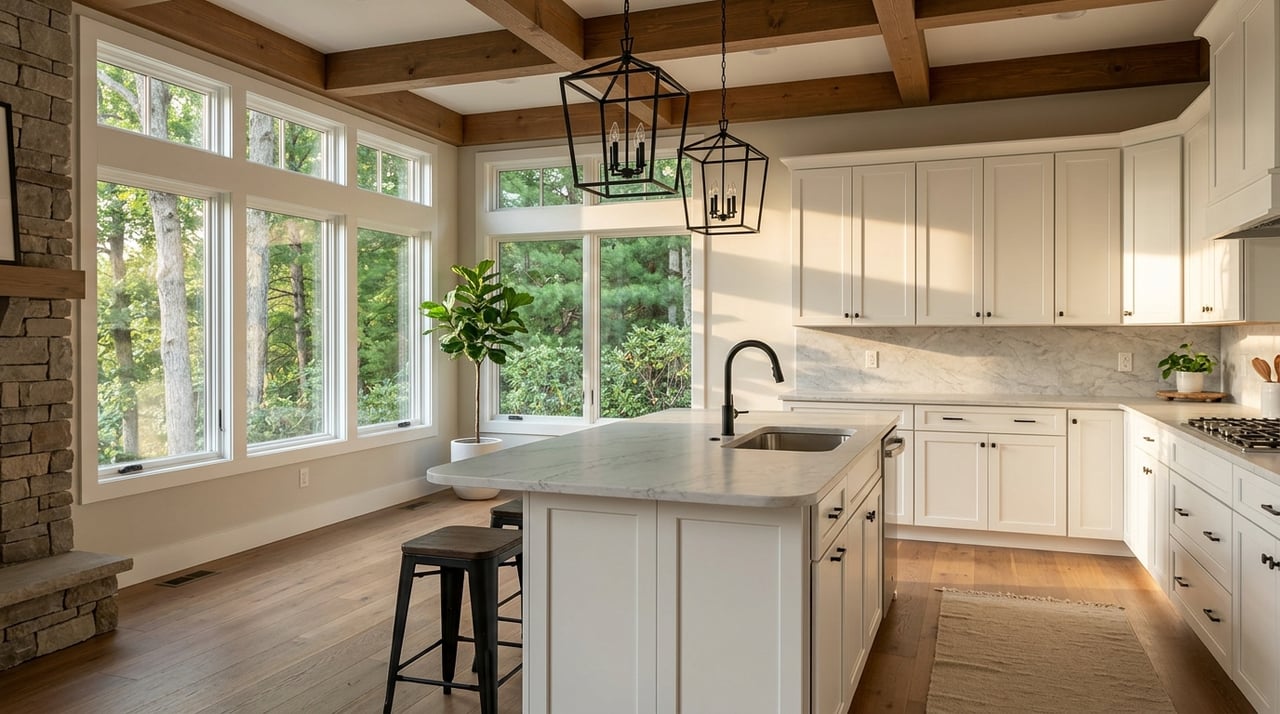
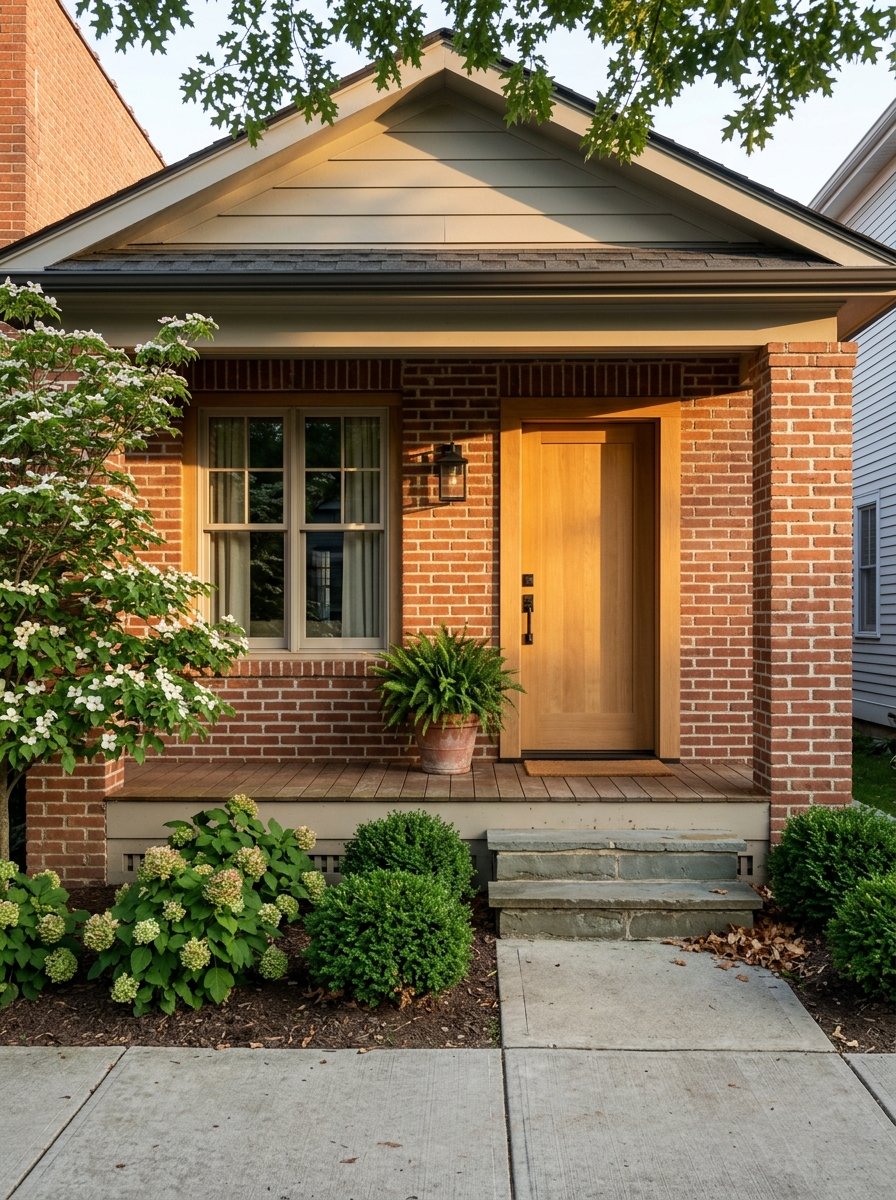
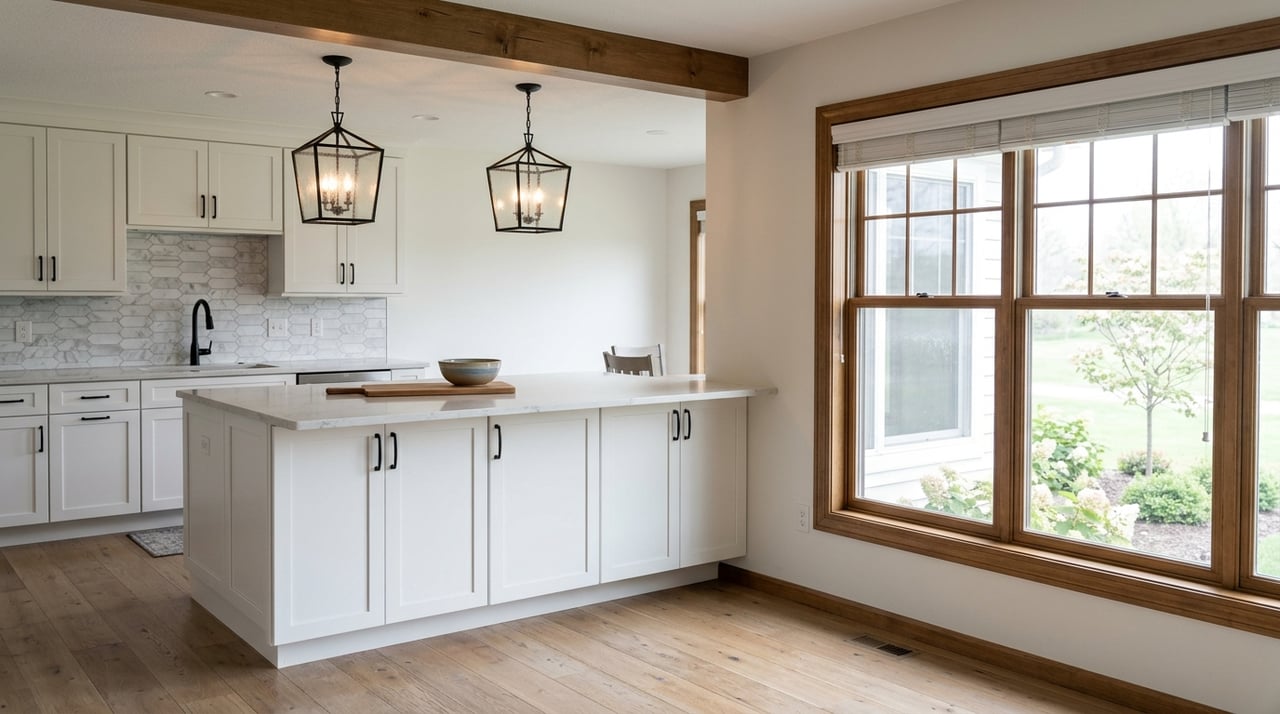
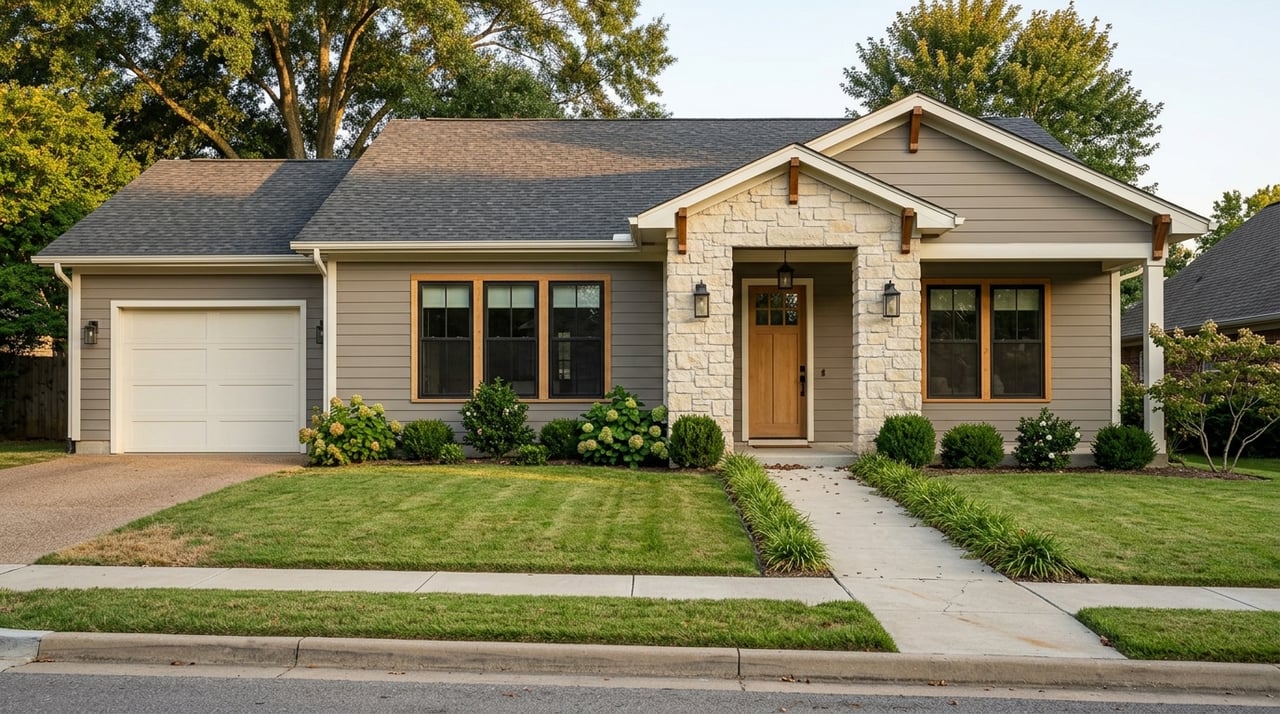
One of the biggest differences between in-town and suburban living is the kind of housing you are likely to see. Based on city-versus-county patterns, in-town homes tend to include a wider mix of apartments, condos, townhomes, and older detached homes on smaller lots. Suburban areas more often lean toward detached homes and larger lots.
That is a market pattern, not a hard rule. You can still find detached homes in more central areas and attached homes in suburban settings, but the overall mix tends to shift with density and land use.
Is In-Town Always More Expensive?
Not necessarily. Median home value is $233,800 in Winston-Salem and $250,400 in Forsyth County, which puts both in a similar broad range. Median gross rent is also close at $1,087 in the city and $1,098 in the county.
Those numbers suggest the better question is not simply “city or suburbs?” but rather “what property type and condition fit my goals?” A condo near downtown, an older in-town detached home, and a larger suburban property may all sit in different price bands even though citywide and countywide medians look fairly close.
Ownership Patterns Look Different
Owner occupancy also points to a different housing mix. Winston-Salem shows a 55.6% owner-occupied rate, while Forsyth County comes in at 63.6%. That supports the idea that in-town areas often include more rental housing and a wider range of home types, while suburban areas may offer more ownership-oriented detached housing.
For buyers, that can affect everything from neighborhood feel to available inventory. For sellers, it can shape how your home is positioned in the market and which buyers may be most interested.
Commutes and Mobility
Many buyers assume in-town living automatically means a much shorter commute. In Winston-Salem, the average commute is 21.5 minutes in the city and 22.7 minutes in Forsyth County. That is a real difference, but it is modest on average.
The bigger distinction is often how you move through your day once you get home. In-town living may make it easier to walk, bike, or use transit for some trips, while suburban living often comes with a more driving-first routine.
Transit and Car-Light Living
Winston-Salem Transit Authority operates fixed-route service and paratransit, with weekday service from 5:00 a.m. to 11:00 p.m., Saturday service from 6:00 a.m. to 11:00 p.m., and Sunday service from 7:00 a.m. to 6:30 p.m. The Clark Campbell Transportation Center is downtown at 100 W 5th Street, and the fixed-route fare is $1.00.
If you want the option to live with fewer car trips, in-town areas usually offer the stronger setup. Downtown planning also supports pedestrian-friendly streets and micromobility, which can make short trips feel easier and more practical.
Space Versus Driving Time
Suburban living often appeals to buyers who want more interior space, more lot space, or a different home layout. Since average commute times are fairly close, the trade-off may be less about minutes in traffic and more about whether you are comfortable driving for most errands and activities.
That trade can absolutely be worth it, especially if your top priorities are square footage, storage, yard space, or a detached-home setting. The key is matching the home to the routine you actually want.
Parks, Trails, and Outdoor Access
A lot of people assume suburban living automatically means better access to the outdoors. In Winston-Salem, that is only part of the story. The city has 25 miles of greenways, including Salem Lake Trail, Salem Creek Greenway, Silas Creek Greenway, and the Strollway.
The city also highlights Salem Lake, a 365-acre lake with a seven-mile trail, and Gateway Nature Preserve, a 19-acre urban wildlife habitat close to downtown. Bike-share stations are available at Salem Lake and Gateway YWCA, which adds another layer of flexibility for active, in-town living.
In-Town Outdoor Living
If you want walkable access to trails, lake views, or a quick nature break without a long drive, in-town Winston-Salem may surprise you. Outdoor access here is often about convenience and frequency. You may use a trail or greenway more often when it is easy to fit into a normal weekday.
This can be a strong fit if you value short outings, regular exercise, and easy connection to the city’s core. It is a different experience from having a large private yard, but it can still support an outdoors-focused lifestyle.
Suburban Parks and Destination Recreation
Suburban areas in Forsyth County offer a different kind of outdoor advantage. Tanglewood Park in Clemmons is a little over 1,100 acres and includes an aquatic center, horse stables, golf courses, two lakes, a BMX track, tennis courts, and an RV campground. Other county parks near suburban areas include Kernersville Lake Park, Triad Park, and Walkertown Community Park.
That means suburban outdoor access may be less about daily walkability and more about larger destination-style recreation. If you want bigger parks, more varied facilities, or the feel of a larger outing, suburban living can align well with that preference.
How to Choose the Right Fit
When you compare in-town and suburban homes in Winston-Salem, the smartest choice usually comes down to your day-to-day pattern. If you want more proximity, more housing variety, and more flexibility in how you get around, in-town living may feel like the better match. If you want more house, more yard, and easy access to larger destination parks, a suburban home may suit you better.
Because city and county home values and rents are in the same general range, your decision should be tied closely to property type, condition, and lifestyle goals. A clear plan can help you avoid chasing a broad label like “urban” or “suburban” and instead focus on what will make your week easier and your home feel right.
If you are comparing neighborhoods, condos, townhomes, or detached homes across Winston-Salem and the surrounding Forsyth County market, working with an agent who understands local trade-offs can make the process much clearer. For personalized guidance on where your budget and lifestyle align best, connect with Lori Teppara for a free home valuation and consultation.
FAQs
What is the difference between in-town and suburban living in Winston-Salem?
- In-town Winston-Salem usually offers higher density, more housing variety, and more options for walking, transit, and shorter errands, while suburban areas usually offer more detached homes, more lot space, and a driving-first routine.
Are suburban homes in Forsyth County always more expensive than in-town Winston-Salem homes?
- Not always. Median home value is $233,800 in Winston-Salem and $250,400 in Forsyth County, so prices are in a similar broad range and often depend more on property type, size, and condition.
Is commute time much shorter for in-town Winston-Salem homes?
- On average, the difference is modest. The average commute is 21.5 minutes in Winston-Salem and 22.7 minutes in Forsyth County, so lifestyle and mobility options may matter more than commute time alone.
Can you rely on transit in in-town Winston-Salem?
- Transit can be a useful part of daily life for some households. WSTA operates fixed-route and paratransit service, with the downtown Clark Campbell Transportation Center at 100 W 5th Street and a fixed-route fare of $1.00.
Do suburban areas near Winston-Salem offer better park access?
- They often offer access to larger destination parks, such as Tanglewood Park and other county parks, while in-town areas offer convenient access to city greenways, Salem Lake, and urban nature spaces. The better fit depends on how you like to spend time outdoors.