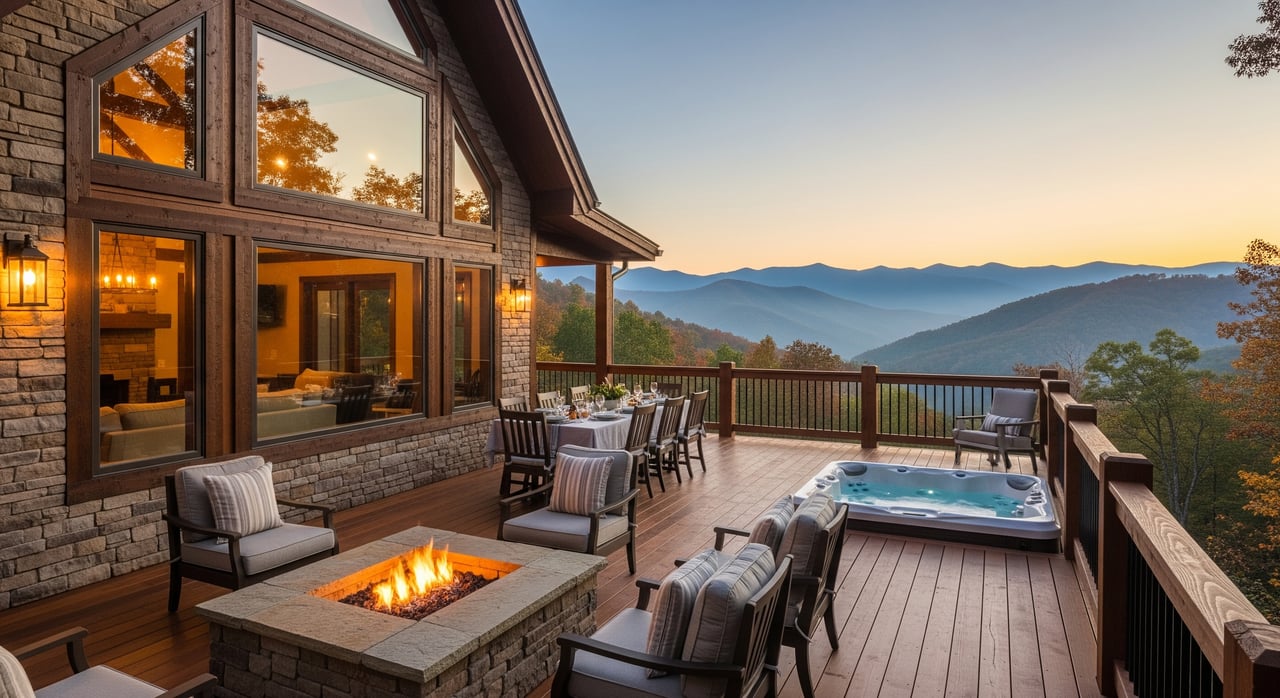
Thinking about buying a mountain place in Boone and renting it when you are not there? You are not alone. Boone’s blend of college energy, outdoor adventure and four-season scenery draws steady visitors, and many buyers want to tap that demand. In this guide, you will learn the key basics for short-term rentals in Boone and Watauga County, from rules and taxes to seasonality, pricing and management. Let’s dive in.
Why Boone works for STRs
Boone sits in North Carolina’s High Country, where the Blue Ridge Mountains serve up hiking, rivers and cool summer temps. It is also home to Appalachian State University, which adds a calendar of events that reliably drive weekend stays. You get a unique mix of tourism and university travel that is different from beach or metro markets.
Several demand drivers matter here:
- University calendar: home football games, parents’ weekends, graduation and campus events spike bookings, especially on weekends.
- Mountain recreation: fall foliage, winter holidays and ski season pull visitors across the region, including travelers bound for nearby resort towns.
- Summer outdoors: hiking, rafting and family trips keep summer weekends strong, with weekdays supported by regional travelers.
When you estimate potential revenue, use hyperlocal comps. Compare properties on the same street or subdivision with similar bedroom counts and amenities instead of townwide averages.
Know the rules and taxes
Before you buy, confirm what is allowed at the specific address. Rules can vary by town limits, county, and HOA, and they change over time. Do not rely on assumptions or listing descriptions alone.
Here is what to check:
- Zoning and permitted use: verify whether short-term rental use is allowed for the property’s zoning district in the Town of Boone or unincorporated Watauga County. Ask if any special or conditional permits are required.
- Business registration: some areas require a business license or a specific STR permit. Confirm current steps with local officials.
- Taxes to collect and remit: short-term lodging is typically subject to state sales tax and local occupancy or transient taxes. Confirm current requirements and filing schedules with the North Carolina Department of Revenue and the Watauga County tax or finance office.
- Safety and building standards: plan for smoke and carbon monoxide detectors, fire extinguishers, egress compliance and any posted occupancy rules. Local inspections or fire marshal guidance may apply.
- Parking, signage and guest limits: some ordinances set on-site parking minimums or limit visible rental signage. Quiet hours and nuisance rules may also apply.
How to confirm current rules:
- Contact the Town of Boone Planning and Inspections Department for zoning and any STR registration details for addresses within town limits.
- Call Watauga County for county-level permits and occupancy tax guidance.
- Check the North Carolina Department of Revenue for sales and use tax registration and lodging tax guidance.
- Obtain the HOA’s recorded covenants and any rental policy addenda, and ask the HOA manager to confirm whether STRs are allowed, restricted or prohibited.
Seasonality and pricing strategy
Boone’s calendar creates predictable waves of demand. Planning for those patterns will help you price well and manage operations.
Typical seasonal patterns:
- Fall: leaf-peeping is prime time, and many owners see some of their highest rates and longest lead times here.
- Late fall and winter: App State football boosts fall weekends, while holidays and ski visitors keep winter bookings steady to strong.
- Spring: demand can be mixed, with some event-driven spikes and softer shoulder weeks.
- Summer: families and outdoor travelers drive steady demand, especially on weekends and holiday weeks.
Operational tips that help you capture revenue:
- Use dynamic pricing: set higher weekend and event rates, adjust for holidays, and use lower weekday rates to fill gaps during shoulder periods.
- Set smart minimum stays: a two to three night minimum for weekends often reduces turnover and boosts net income. Many owners raise minimums over major holidays and event weekends.
- Plan cleaning capacity: peak seasons bring rapid turnovers. Secure housekeeping and backup support ahead of time.
- Track booking windows: foliage season often books weeks or months ahead, while some university events can fill closer in. Adjust cancellation and lead-time rules accordingly.
HOA and neighborhood fit
HOAs can be the most limiting factor in mountain communities. Policies vary by condo building and subdivision, so read governing documents before you write an offer.
What to verify in HOA documents:
- Whether STRs are permitted, restricted to longer minimum stays or prohibited.
- Limits on maximum occupants, parking allocation, exterior signage and trash handling.
- Registration steps, guest rules and fines for violations.
Good neighbor practices are a win-win. Post house rules, clarify quiet hours, outline parking and trash instructions, and provide a local contact who can respond quickly. These habits reduce complaints and protect your investment.
Property features guests want
Certain features tend to boost bookings and reviews in the High Country. When you evaluate a home or condo, think about how a guest will use the space.
- Reliable access: clear directions, paved or well-maintained roads, and parking that matches occupancy.
- Bedrooms and layout: comfortable sleeping for the stated guest count, with flexible spaces for couples or small groups.
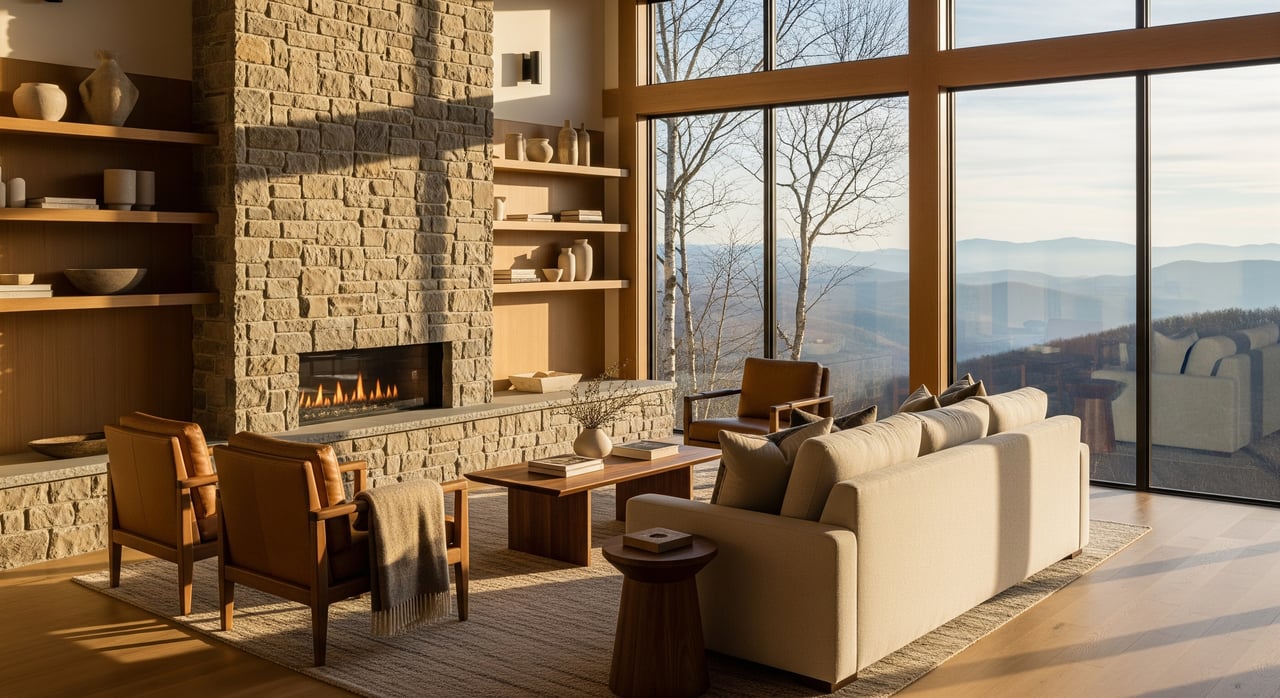
- Outdoor appeal: decks or views, a grill, and easy access to trails or town amenities.
- Climate comfort: strong heating for winter and appropriate cooling or fans for summer.
- Connectivity and convenience: fast internet, smart lock entry and a simple check-in process.
Management options and costs
Choose the management style that fits your time, proximity and risk tolerance. Each option affects net income and guest experience.
- Self-management: you handle listings, guest messaging, pricing, and vendors. This can raise net income but requires time and local support.
- Co-hosting: a local co-host manages guest communication and turnovers while you keep listing control. Fees are typically lower than full-service management.
- Full-service property management: a local manager handles marketing, dynamic pricing, guest support, housekeeping and basic maintenance. Fees are usually a percentage of booking revenue, and structures vary by company.
Tech and tools that help:
- Channel managers to sync calendars across platforms.
- Dynamic pricing tools to respond to events and seasonality.
- Professional photography to showcase views, light and layout.
Run the numbers with care
A clear financial model helps you compare homes and set expectations. Use conservative assumptions and build in seasonality.
Key revenue and expense inputs:
- Revenue metrics: average daily rate, occupancy rate by month, and revenue per available rental night.
- Expense categories: mortgage, insurance, utilities, internet, cleaning and turnovers, management fees, HOA dues, repairs and maintenance, supplies, property taxes, sales and occupancy taxes, and capital reserves.
- Scenario testing: model peak months, shoulder months and low months, then calculate break-even and cash flow ranges.
If you plan to finance, confirm how your lender classifies the purchase. A second home, primary residence or investment property can carry different terms and underwriting. For insurance, ask about short-term rental endorsements or a dedicated STR policy with appropriate liability and contents coverage.
Due diligence checklist
Use this streamlined checklist as you evaluate a property:
- Confirm zoning and permitted use with the Town of Boone or Watauga County for the exact address.
- Get the HOA’s recorded covenants and current rental policy. Ask for written confirmation of STR rules.
- Call the Watauga County tax office about occupancy tax registration and remittance.
- Register with the North Carolina Department of Revenue if sales and use tax applies.
- Build a comp set using hyperlocal listings with similar bedroom counts and amenities.
- Map App State event dates, foliage weeks, ski season and holidays into your pricing plan.
- Decide on management approach and interview local managers or co-hosts if needed.
- Line up housekeeping and maintenance vendors, plus a backup for peak periods.
- Set up safety gear: smoke and CO detectors, fire extinguisher, clear egress and posted house rules.
- Create a guest manual, smart lock access and an emergency contact plan.
Partner with a local guide
You do not have to figure this out alone. A local advisor can help you source HOA documents, validate rules with the town and county, pressure-test revenue assumptions and connect you with trusted managers and vendors. That support can save you time and guard against costly surprises.
If you are exploring a Boone or Watauga County short-term rental, reach out. With hands-on High Country experience and a hospitality-first approach, Lori Teppara can help you find the right property and build a practical plan for ownership.
FAQs
Are short-term rentals legal in Boone, NC?
- It depends on the property’s zoning, any town or county rules and the HOA; always verify with the Town of Boone, Watauga County and the HOA before you buy.
What taxes apply to a Boone short-term rental?
- Expect state sales tax on lodging and local occupancy or transient taxes; confirm current rates and registration steps with the North Carolina Department of Revenue and Watauga County.
How seasonal is Boone’s rental demand?
- Demand is highly seasonal, peaking in fall foliage, winter holidays and summer, with App State events and ski season creating valuable weekend surges throughout the year.
Do HOAs in Watauga County allow STRs?
- Policies vary widely by community; some allow STRs with rules, while others restrict or prohibit them, so review the recorded covenants and request written confirmation.
Should I hire a local property manager in Boone?
- If you live out of the area or want less day-to-day work, a full-service manager can improve responsiveness and guest experience, though fees will reduce net income.
What insurance do I need for a North Carolina STR?
- Standard homeowners policies often exclude STR use, so ask an insurance agent about a short-term rental endorsement or dedicated policy with adequate liability and contents coverage.
How should I price for App State events and holidays?
- Use dynamic pricing, raise minimum stays, and set higher rates for home games, graduations and holiday periods while adjusting weekdays to fill shoulder gaps.