Wondering how to sell your home in a place where the buyer pool feels smaller and word travels fast? In Lexington, that small-town setting can work for you, but only if your pricing, prep, and marketing match how this market actually behaves. If you want to sell with less guesswork and more confidence, this guide will show you what matters most in Lexington and how to position your home to stand out. Let’s dive in.
Why Lexington sells differently
Lexington is not a massive metro market with endless buyer traffic. According to the U.S. Census Bureau’s Lexington quick facts, the city has 19,904 residents, which means your likely buyer pool is naturally smaller than in nearby larger cities.
That matters because your home is often competing for attention in a more local, more measured market. By comparison, Winston-Salem and Greensboro have much larger populations, so sellers in Lexington usually need a strategy that reaches buyers beyond just immediate local circles.
What the Lexington market looks like now
Current housing data suggests Lexington is a balanced to somewhat competitive market. Realtor.com’s Lexington market data reported 551 homes for sale, a median listing price of $327.7K, and a median 52 days on market.
Other data points show a similar pattern with a slightly longer timeline. The research report notes homes averaged 75 days to sell, with a 97.4% sale-to-list ratio and 27.7% of listings seeing price drops.
The big takeaway is simple: homes are selling, but not usually at dramatic premiums over asking. In a market like this, strong presentation and realistic pricing tend to matter more than testing the market with an aspirational number.
Price for Lexington, not fantasy
If you are selling in a small-town market, pricing is one of the biggest decisions you will make. In Lexington, homes tend to sell close to list price, with reported sale-to-list ratios around 97.4% to 99% based on the sources in the research report.
That tells you something important. Buyers are still active, but they are watching value closely, and overpricing can cause your listing to sit longer and increase the odds of a price reduction later.
A better approach is to price against recent local comparables and current competition. In a balanced market, a well-priced home can attract serious interest early, while an overpriced home can lose momentum before the right buyer ever walks through the door.
Expect a measured timeline
If you are hoping for a one-week sale, Lexington may not always behave that way. Based on the research provided, a typical selling window is roughly 52 to 75 days, depending on the source and timeframe.
That does not mean your home will take that long, but it does mean planning ahead is smart. If you are coordinating a purchase, relocation, or downsizing move, it helps to build your timeline around a market that can take a little more patience.
Staging matters in a smaller market
In a market with fewer buyers, first impressions carry even more weight. The National Association of Realtors’ 2025 consumer guide on marketing your home highlights staging, professional photography, social media, signage, open houses, MLS exposure, and competitive pricing as common parts of an effective marketing plan.
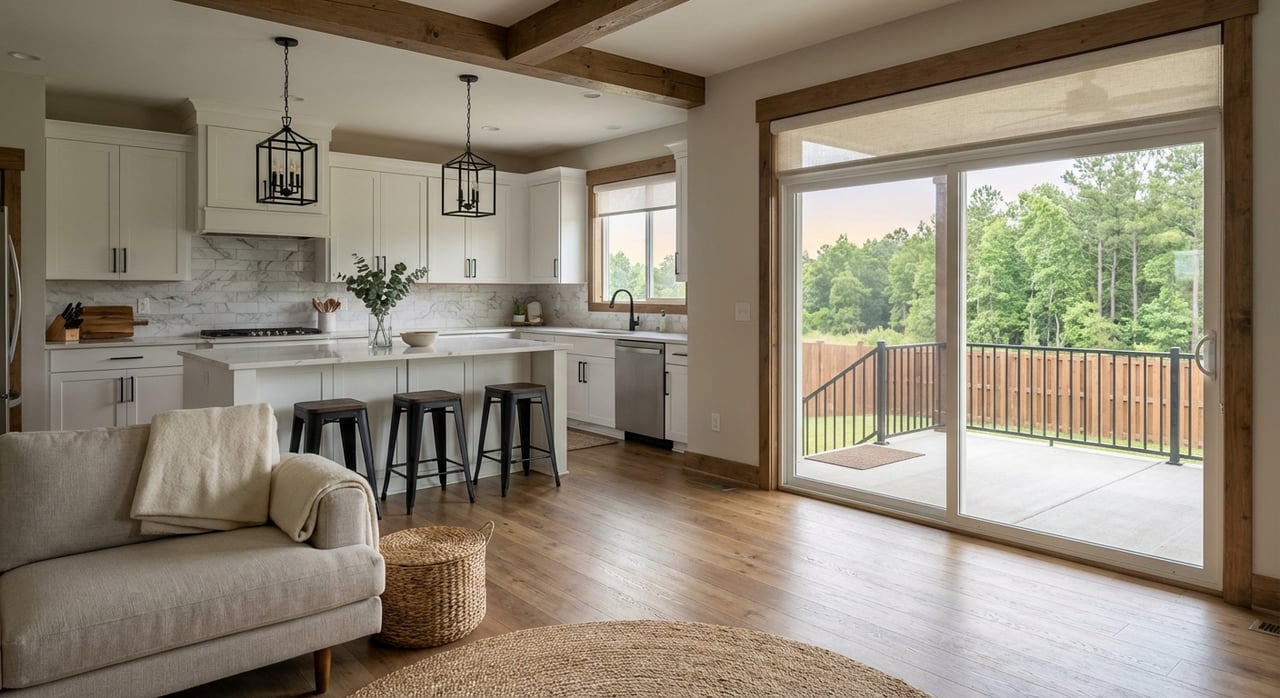
NAR’s 2025 staging research also found that 83% of buyers’ agents said staging made it easier for buyers to visualize a home, and 49% of sellers’ agents said staging reduced time on market. The rooms with the biggest impact were the living room, primary bedroom, and kitchen.
That is especially useful in Lexington. When buyers have choices and homes are not flying off the shelf overnight, staging can help your property feel more move-in ready and memorable.
Focus on the rooms buyers notice most
You do not need to stage every corner of the house to make a difference. Start with the spaces where buyers tend to form their strongest opinions:
- Living room
- Kitchen
- Primary bedroom
- Front entry
- Main exterior approach
Clean lines, less clutter, and a brighter feel can go a long way. The goal is not to make your home look generic. It is to help buyers picture themselves living there.
Prep before photos and showings
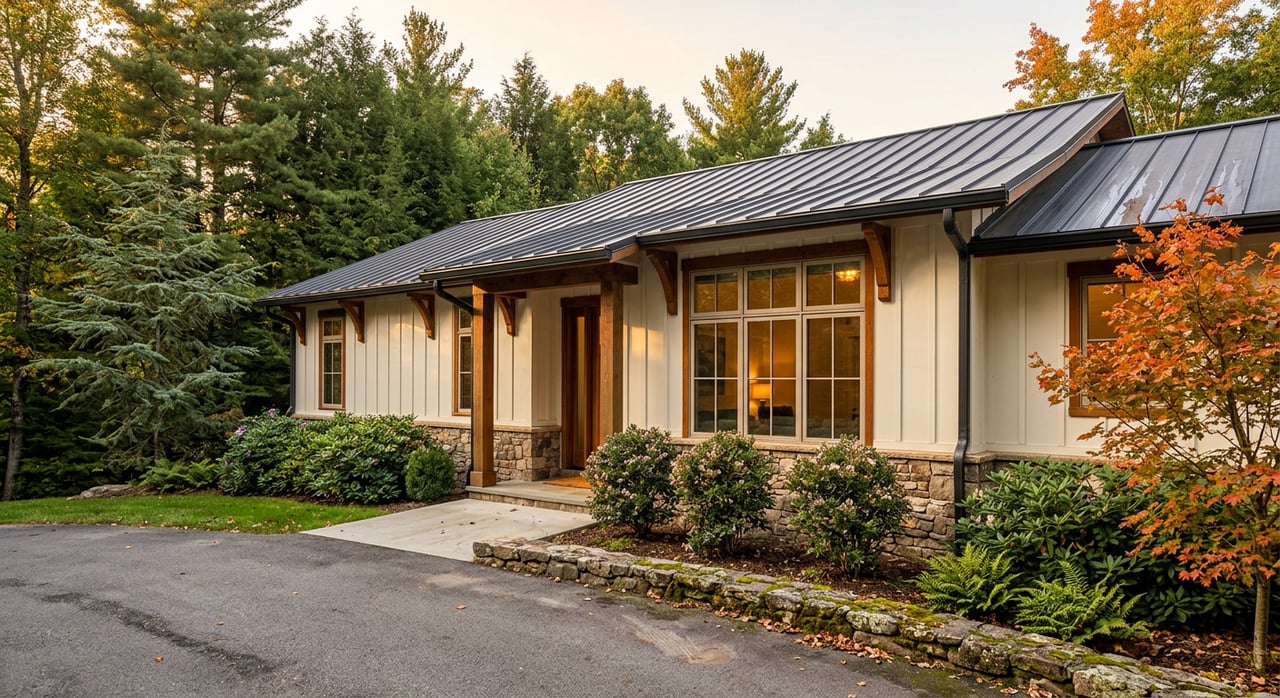
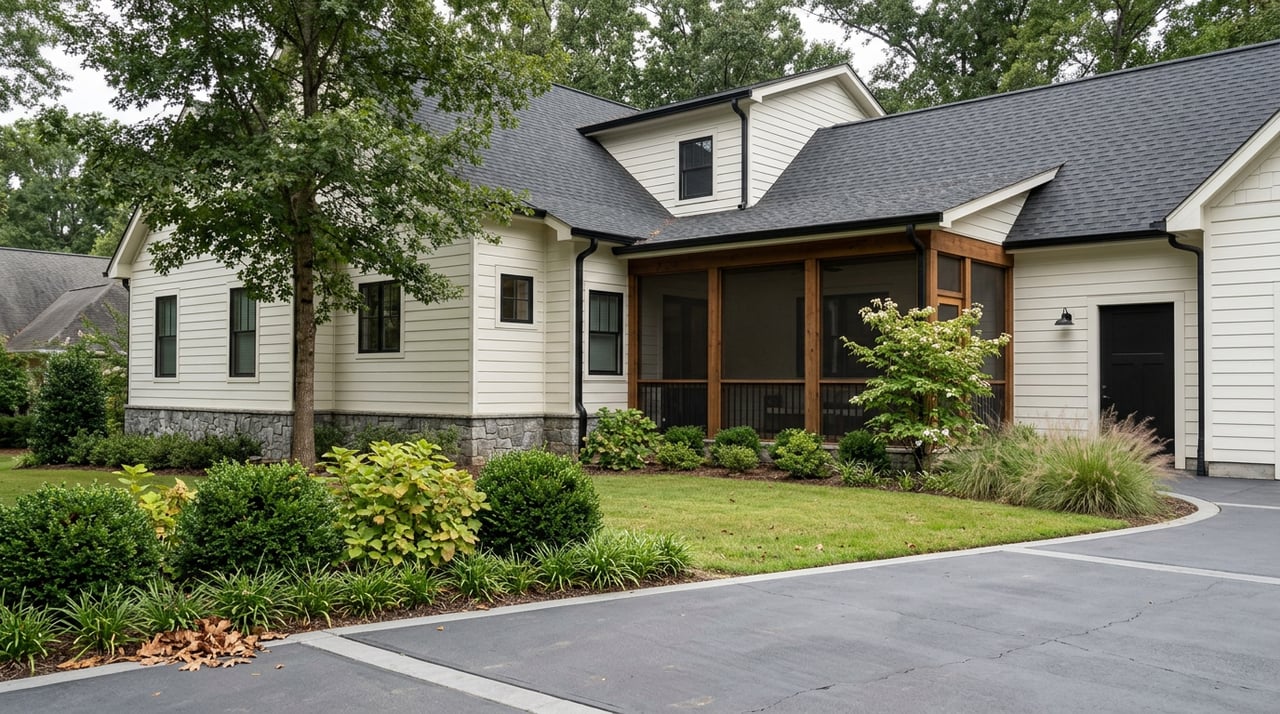
Before your home goes live, the basics still matter. NAR recommends cleaning, decluttering, and improving curb appeal before photography and showings.
In practical terms, that can mean:
- Removing extra items from counters and shelves
- Deep cleaning kitchens and bathrooms
- Mowing, edging, and freshening the front entry
- Opening blinds and maximizing natural light
- Touching up obvious cosmetic wear
In a smaller market, buyers may compare your home to every active option in your price range. A polished presentation helps your listing compete from day one.
Market beyond Lexington buyers
One of the biggest mistakes sellers can make in a smaller market is assuming the right buyer must already live nearby. Lexington sits within the broader Piedmont Triad, and that creates opportunity.
Because Lexington is much smaller than nearby cities, your marketing should not stop at local exposure. Broad MLS visibility, strong digital presentation, and social media marketing can help your home reach buyers from across the Triad who may be looking for a different pace, price point, or commute option.
This is where full-service representation matters. A thoughtful plan should combine local knowledge with wider reach so your listing is not limited to the people who happen to drive by.
Use Lexington’s local appeal well
A listing in Lexington should feel specific to Lexington. According to the City of Lexington’s community overview, the city is known as the Barbecue Capital of the World, with Uptown serving as a retail center and the annual Barbecue Festival drawing more than 100,000 visitors.
The city also highlights 13 barbecue restaurants, nearby wineries, NASCAR-related attractions, the Depot District passenger rail project, Siemens Mobility’s more than $220 million facility and 500-plus jobs, and commute times that are below the national average. These details help tell a fuller story about the area and can make your listing feel more connected to place.
What buyers may notice about Lexington
Depending on price point and location, buyers may be drawn to different aspects of the city and county. The census profile suggests a mixed buyer base that can include first-time buyers, move-up households, commuters, retirees, and investors.
That means your marketing should highlight the features that match your home. A low-maintenance property may appeal to buyers looking for convenience, while a larger home may benefit from messaging around layout, flexibility, and access to everyday amenities.
Speak to the right buyer
Lexington and Davidson County show a varied housing picture. The research report notes Lexington’s owner-occupied housing rate is 41.6%, while Davidson County’s is 74.4%, with countywide homeownership and household income levels suggesting a broader mix of established homeowners and local move-up buyers.
For you as a seller, that means your likely buyer is not always one type of person. Your home could appeal to someone buying their first house, someone relocating within the county, a commuter looking for a manageable drive, or someone downsizing into a more practical layout.
The best marketing strategy identifies that likely buyer early and presents the home in a way that fits their needs. That is more effective than trying to market the property to everyone at once.
What sellers should do first
If you want a practical path forward, start here:
- Review local comparable sales so your pricing reflects Lexington conditions.
- Declutter and clean thoroughly before any photos or showings.
- Stage key rooms like the living room, kitchen, and primary bedroom.
- Improve curb appeal so your first impression works online and in person.
- Build a broader marketing plan that reaches buyers across the Triad, not just Lexington.
- Use local details thoughtfully so your listing feels tied to the community.
None of these steps are flashy. They are simply the kind of disciplined choices that help homes perform better in a market where buyers have time to compare options.
Small-town selling takes smart execution
Selling in Lexington is not about creating hype. It is about creating confidence. Buyers want a home that feels well cared for, priced in line with the market, and presented clearly from the start.
That is why a smaller market often rewards thoughtful strategy more than shortcuts. When your pricing is grounded, your home is prepared well, and your marketing reaches the right audience, you give yourself a better chance of selling with fewer surprises.
If you are thinking about selling in Lexington, Lori Teppara offers responsive, full-service guidance to help you price, prepare, and market your home with a plan tailored to this market.
FAQs
How long does it usually take to sell a home in Lexington, NC?
- Current market data in the research report suggests many Lexington homes sell in about 52 to 75 days, depending on the source and timeframe.
Is staging worth it when selling a home in Lexington?
- Yes. NAR’s 2025 research found staging helps buyers visualize a home and can reduce time on market, especially in the living room, primary bedroom, and kitchen.
Should you price high and negotiate down in the Lexington market?
- Lexington data suggests homes usually sell close to list price, so overpricing may lead to a longer selling period and increase the chance of a price reduction.
Should home marketing stay local when selling in Lexington, NC?
- No. Because Lexington is smaller than nearby Triad cities, broader MLS and digital exposure can help reach more potential buyers.
What makes Lexington, NC appealing to homebuyers?
- Official city sources highlight Uptown, barbecue culture, the annual festival, nearby wineries, commuter convenience, rail investment, and local job growth as notable community features.